
A restaurant’s owner opens the monthly P&L examines sales, skips down to the bottom line and then closes the report.
Does this sound familiar?
If just those two numbers are examined then the real value is lost.
It shouldn’t cause them to become more dependent on an accounting company. They should be more confident in their own numbers. It’s not required to sit the night completing invoices or master every accounting rule. It’s essential to know the reason for the fluctuation in profits and what transpired with labour and food, and which questions need focus next week.
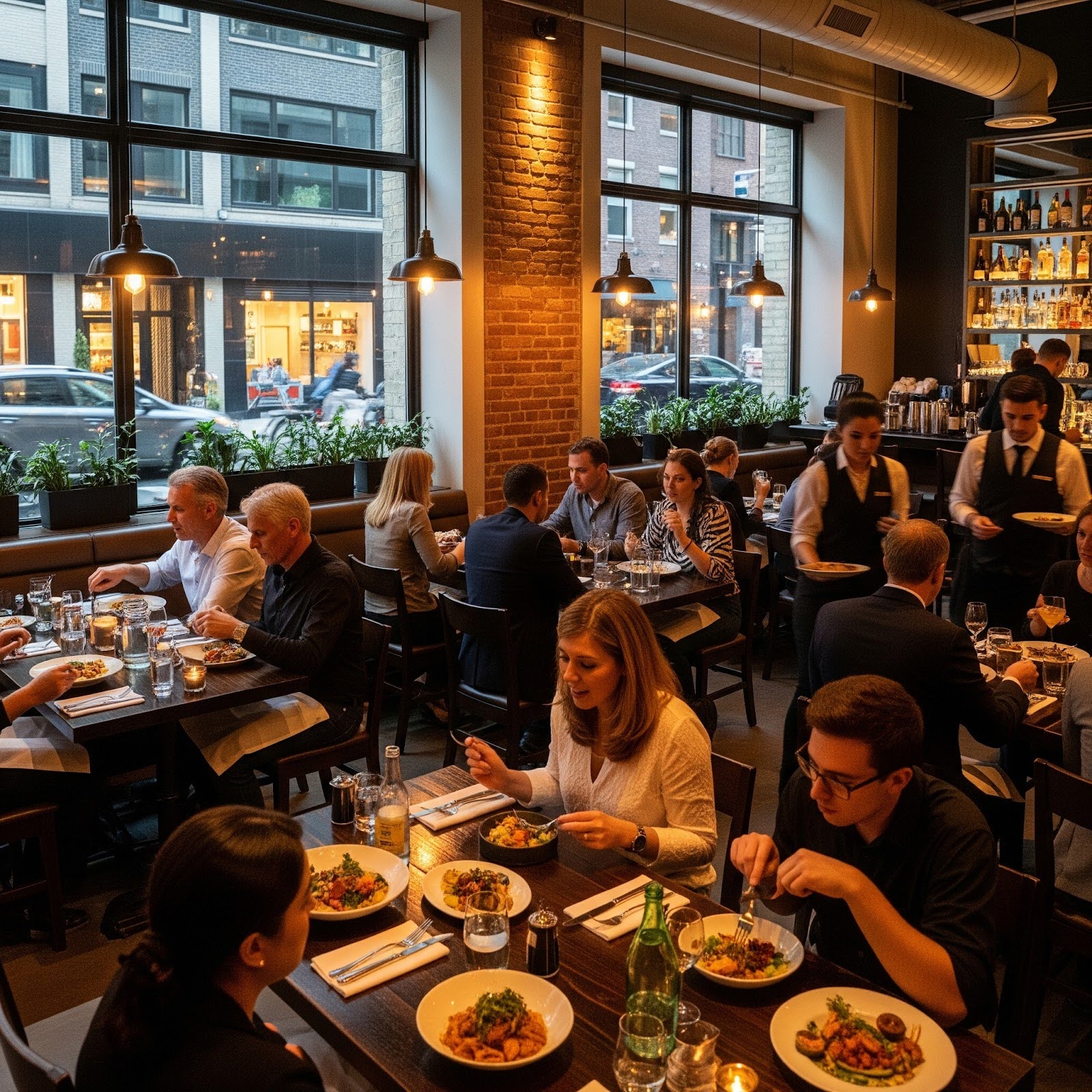
That’s the philosophy behind Bookkeeping Chef: Automate the bookkeeping process which doesn’t require the owner’s time while giving restaurant operators greater financial transparency that they can actually use.
You must begin looking at the Weekly Numbers and not just month-end numbers.
A monthly P&L matters, but restaurants do not operate on a monthly basis. The managers schedule the labor for this week. The chef placed an order for food today. Vendors change prices now.
This is why Bookkeeping Chef provides weekly prime-cost flash reports in addition to monthly financial statements.
Prime cost combines the the cost of goods sold as well as labor, two areas that can move quickly in restaurants. The information supplied by the Bookkeeping Chef shows that prime costs generally account for 60 percent of the sales in restaurants.
Consider a situation where sales are not changing at all while the prime cost is rising. This percentage does not provide an answer. It provides the person with the reason to conduct an investigation.
Did the hourly wage rise? Was overtime a factor? Food prices changed? An invoice from a vendor appeared unusually big? Did the sales mix change?
This is far more beneficial than finding the same issue several weeks later.
Automate the repetitive Work
DIY bookkeeping isn’t limited to manually transferring POS figures into spreadsheets.
Automating the bookkeeping process in restaurants can eliminate a lot of repeated data movement. The service can connect POS systems such as QuickBooks, QuickBooks, vendor platforms, recipe and inventory management, as well as payments instruments.
Automating solely for the sake automating is not the main goal.
This is done to reduce the time spent on manual data entry. Also, it keeps current financial records so that owners can focus on reading information rather than gathering it.
This is a completely new way of bookkeeping in restaurants. The technology takes care of more of the mechanics, while the owner is still tasked in the financial aspects.
If you have more questions, you can ask them regarding P&L
If you stop thinking of the P&L as a test it will become less daunting.
Begin by looking at the sales. Next, look at the costs of production. Compare the effectiveness of drinks and food. Take a look at the labor. See the work.
More importantly, compare periods.
If the sales increased, but the profit didn’t, something between those two lines changed. What was the result when food prices were rising? Review sales and staffing numbers to see if labor percentage has changed. Find any data that seems strange, rather than assuming that a restaurant has had a bad week.
Bookkeeping Chef will send monthly P&Ls finalized within five business days, allowing owners the opportunity to evaluate recent performance rather than receiving financial statements for a long time after the operating time is over.
For those who are looking for bookkeeping restaurant solutions, speed can be beneficial but understanding is the more important purpose.
It’s not necessary to build everything.
There is no need to be your own full-time bookkeeper If you’d like to avoid handing over the whole financial responsibility to another person.
Owners can continue to be involved in the accounting process, without needing to do everything manually.
The process could be as easy as using automated system connections in order to ensure that information flows. However, it could be as extensive and intricate review of the monthly P&L or even a review of a weekly Prime-cost report.
Specialized restaurant bookkeeping services can support that approach by keeping the underlying books organized while helping the owner understand what the reports mean.
It is highly unlikely that you will find an accountant that can do all of the tasks.
An owner is someone who can talk to a P&L about the business.
The Objective Is Financial Independence not More Reports
Restaurants already generate massive quantities of data. Dashboards don’t always make sense.
Real value occurs when an employee can open a P&L report, be aware that there has been a change and then look at the reports on the cost of prime.
Bookkeeping Chef’s plan combines restaurant bookkeeping automation weekly reports monthly P&Ls, as well as special financial assistance to restaurants in order to enable this.
Automate repetitive tasks. Check your prime costs every week. Understand the language used within your P&L.
You don’t have to be a professional accountant.
You must be a successful owner who knows the financial story behind your restaurant.