
The repeated tasks are the biggest issue when working with artificial intelligence. An AI assistant may produce an excellent answer one moment, only to lose important details during the next conversation. Developers usually compensate by supplying the same information like project files, project documents, or even documentation, to ensure that the conversation is productive.
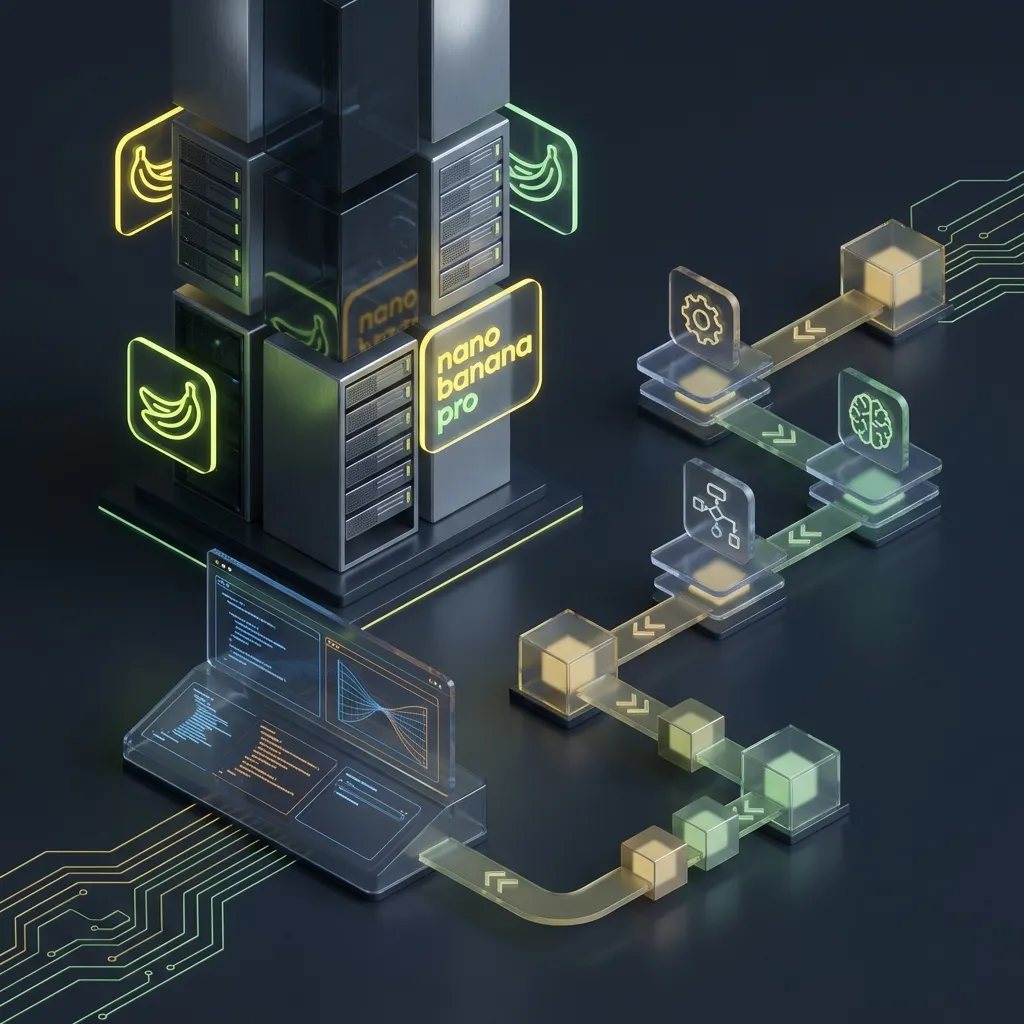
As AI integrates into everyday software, the efficiency of this approach will decrease. Intelligent systems must be able to keep relevant data, retrieve it instantly and understand the changes in information in time. Memory is becoming an essential part of modern AI architecture.
Memory is the key to AI becoming smart.
A system that is able to recall the previous work will behave differently than one that has to begin from scratch every time. Persistent memory allows programs to identify patterns and to understand the ongoing work. They also can provide answers based on the historical context, not individual questions.
Telys was designed to address the problem. Telys is a built-in AI memory engine and not a third party cloud service. The data is stored and retrieved directly through the application. This enables developers to keep their context in check, as well as reducing redundant computations and processing. This makes AI experiences feel more natural since the software remembers everything that matters.
Local storage of data speeds speed and also privacy
The speed of which an AI model generates text is no longer the sole way to gauge performance. Retrieval speed, system efficiency, and data security have become important for organizations deploying AI in production.
The use on-device memory for AI agents allows them to access relevant data without relying on constant communication with servers external. Because memory is kept within the local environment used by AI agents, queries are executed more quickly, while also allowing organizations to maintain better control over sensitive data. This type of architecture is particularly beneficial for teams working on internal tools, enterprise-level software, or applications that require privacy.
The memory behind the scenes can be a major benefit to developers
It shouldn’t be required to manage complex infrastructure to store context when building intelligent software. Software developers prefer to use tools that integrate seamlessly into existing workflows and don’t add an additional overhead for operations.
A local MCP memory server makes that possible by allowing compatible AI development environments to access persistent memory directly within the local ecosystem. AI assistants no longer need to keep transferring data between remote APIs. Instead, they can access the data they require via an internal memory layer. This method speeds up the development process and lowers delay for large teams that are working on projects with changing codebases or documentation.
AI’s future relies on the context
Artificial intelligence is advancing beyond simple conversations towards systems that are capable of planning, reasoning and performing complex tasks autonomously. These systems need a reliable memory that can store information across all interactions.
Telys is an advanced AI memory system which provides persistent local retrieval, specifically designed for intelligent apps which require speed, stability, privacy, and security. Together with on-device memory for AI agents and a fast local MCP memory server, Telys helps developers build software that can remember previous work, and retrieves knowledge immediately and keeps improving over time.
As AI becomes more deeply integrated in business operations and products, the ability to remember precisely may be just as important as the ability to reason. Telys’ AI application development tool helps developers build AI applications that have greater speed along with intelligence and efficiency in the workplace by giving intelligent systems a continuous context, rather than just a short-lived conversation.